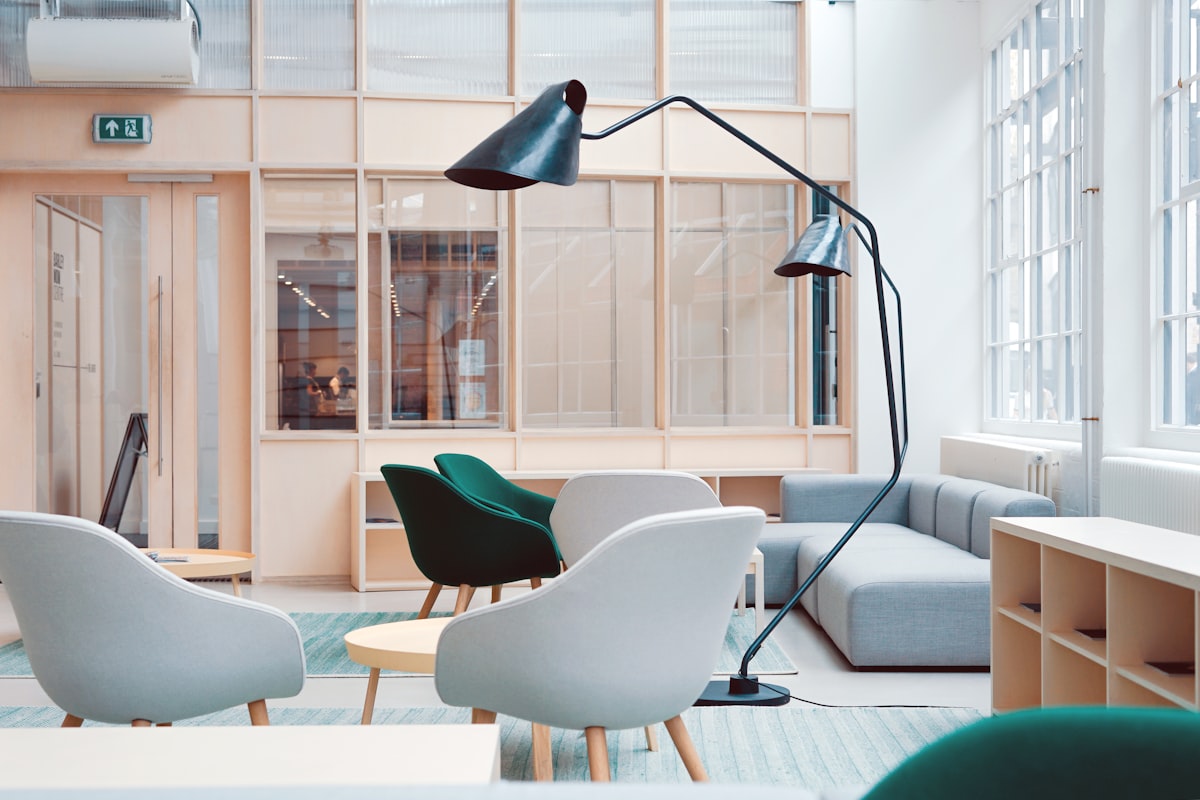


Light is architecture's invisible material. How we perceive a space, how we feel inside it and what we notice all depend on light. Humanity traveled a long road over thousands of years to reach the precise LED fixtures we use today. Understanding this journey shows why lighting is not merely a 'function' but a design discipline.
01From Fire to the Oil Lamp
The first artificial light source was fire, used for warmth, cooking and illumination. Over time, people learned to fill stone and shell oil lamps with animal fat and a moss wick — traces of such lamps were found in ancient caves like Lascaux. Egyptian and Roman civilizations developed more advanced clay and metal lamps burning olive oil, and made candles from beeswax and tallow.
02The Age of Gas Lighting
In the early 19th century, gas lamps transformed public and private spaces. The first gas street lamps were installed in London in 1807. This innovation extended hours of work and socializing; factories could now produce at night, no longer bound by daylight. It became an important driver of the Industrial Revolution.
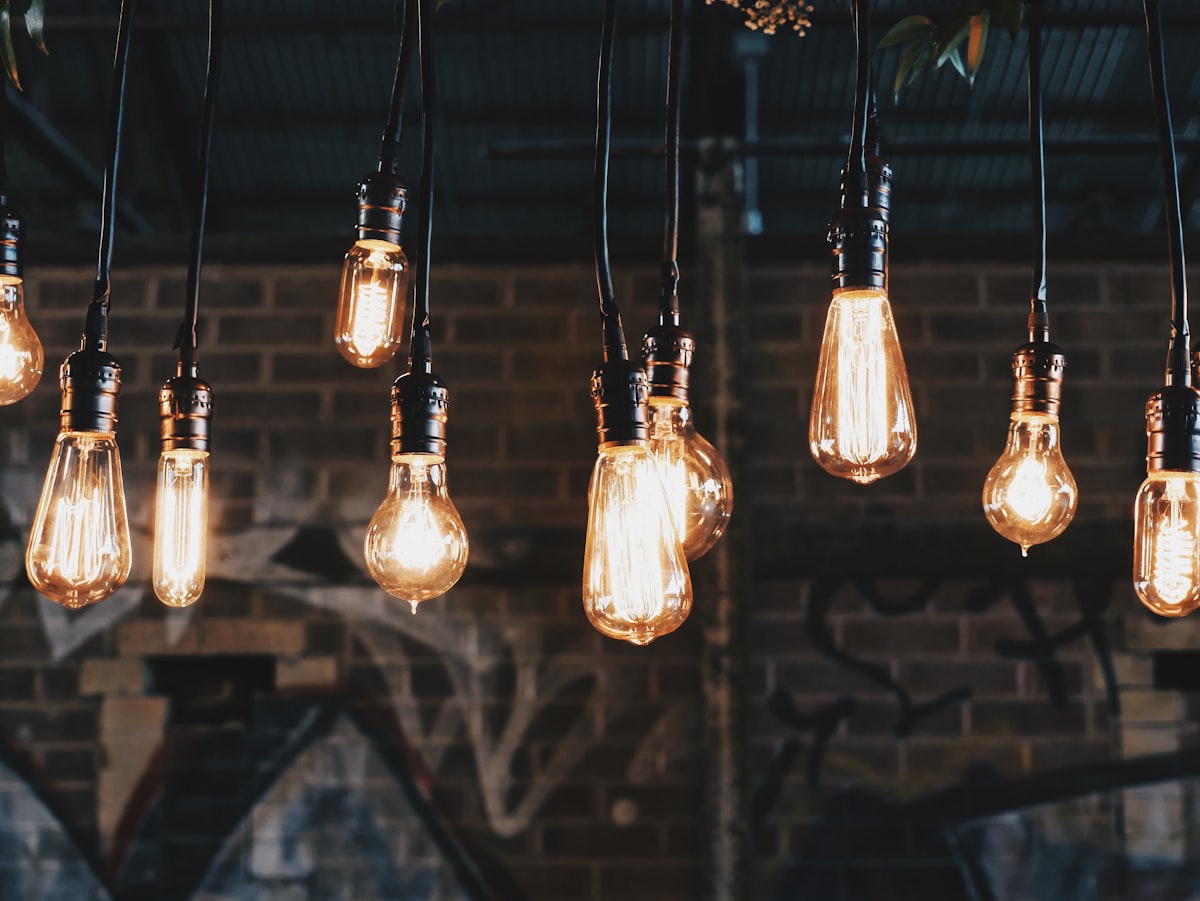
03Electricity and the Incandescent Lamp
In 1802, Humphry Davy demonstrated the first electric arc lamp. By the century's end, in 1879, Thomas Edison and Joseph Swan developed a durable carbon-filament incandescent lamp — the first commercially viable version. In 1882, Edison's Pearl Street Station brought electric light to part of Manhattan. Soon after, the tungsten filament dramatically increased efficiency and lifespan.
04Fluorescent and Halogen
Fluorescent lamps became widespread in the 1940s, gaining popularity especially during World War II when energy saving became a priority. They worked by passing electricity through a gas that emitted ultraviolet light. Halogen lamps, emerging in the 1950s, offered brighter, whiter light; their compact size led to broad use from automotive to interiors.
05The LED Revolution
Nick Holonyak Jr. invented the first visible-spectrum (red) LED in 1962. Yet LEDs only became commercially viable for large-scale use in the 21st century. Today LEDs consume up to 80% less energy than incandescent lamps and last far longer. Also known as solid-state lighting (SSL), LED produces light with semiconductors, meaning less heat, less loss and far greater design flexibility.
06Smart and Human-Centric Lighting
Modern fixtures are increasingly becoming 'smart'. Integrated sensors create the optimal light conditions in a room and adapt dynamically. Human-centric lighting (HCL) supports the circadian rhythm and wellbeing by mimicking natural light patterns. The effect of short-wavelength 'blue' light on the biological rhythm now makes the timing and color of light a design decision in schools, offices and healthcare buildings.
This journey from fire to semiconductor shows that lighting is no longer only about 'seeing'. Today, light is a means of designing a space, building atmosphere and helping people feel well. At Toklu Design, we carry this legacy forward by treating light as a material in every project.